Running a molding machine is a daily challenge when scrap, inconsistent cushions, or melt instability start creeping into production. Quality-management research consistently shows that many companies lose 10–15% of their operating costs to poor quality (scrap, rework, failures, warranty, etc.).
With the U.S. plastics molding market as per Fortune Business Insights projected to exceed $65.32 billion by 2032, even minor improvements in melt consistency can meaningfully improve throughput, machine stability, and profitability. Anyone who has managed a molding line knows the stress of unexplained defects, especially when every hour of downtime or rework affects delivery commitments.
For most plants, the heart of this challenge is the general purpose injection molding screw. When it performs well, everything else becomes easier. When it doesn't, defects and inefficiencies show up fast.
This guide breaks down the fundamentals of how the screw works, why small design details matter, and how better engineering directly improves melt quality, cycle time, and part consistency.
TL;DR
A general purpose injection molding screw has three zones: feeding, melting, and pumping.
Corner radius, compression, and L/D ratio strongly influence melt quality.
Better screw designs reduce scrap, tighten cycle time, and stabilize your process.
Specialty materials like PVC and rubber require specialized screws.
Smart screws with sensors give process teams real-time melt data.
What are the Main Parts of a Injection Molding Screw and Their Jobs?
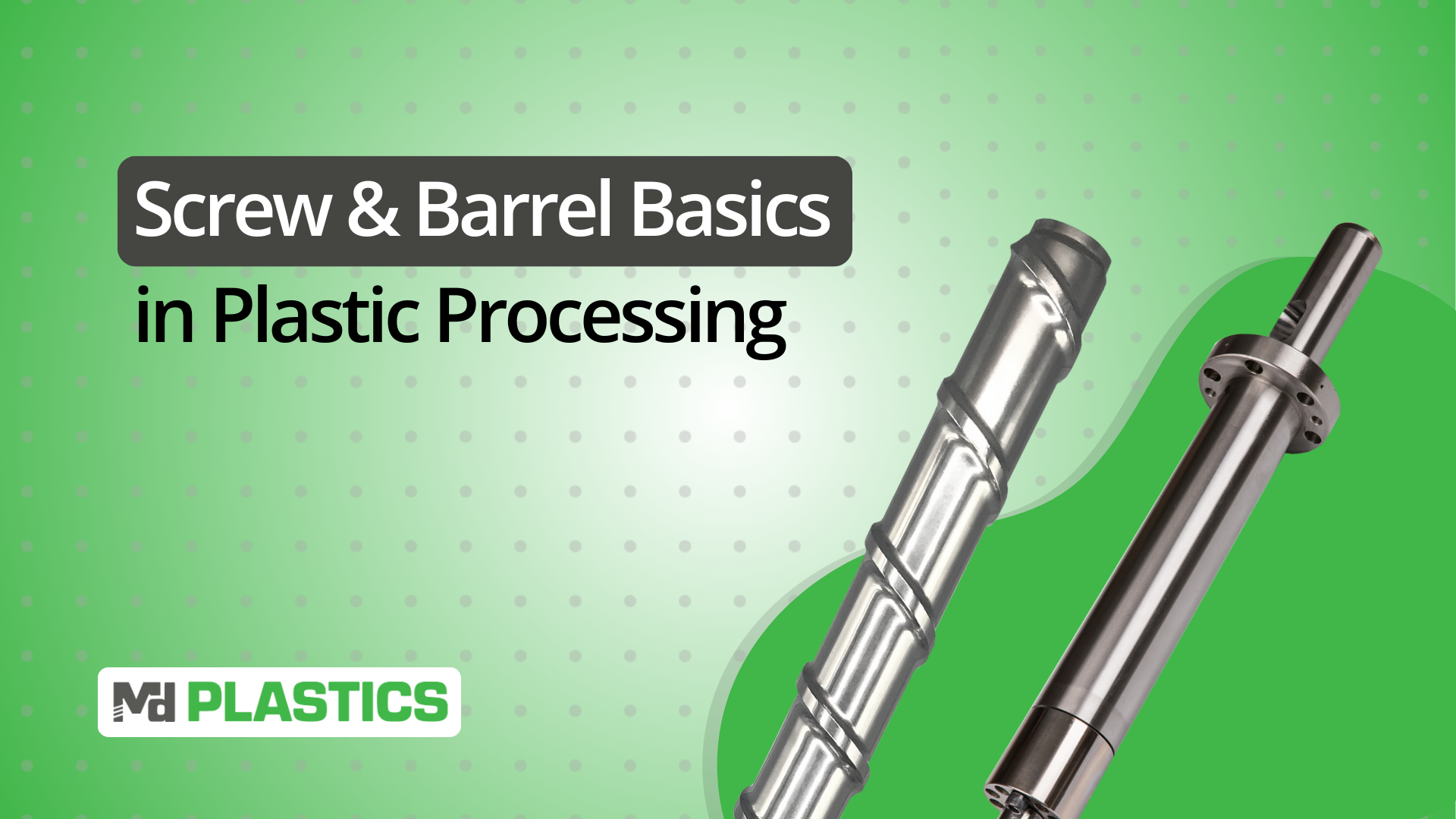
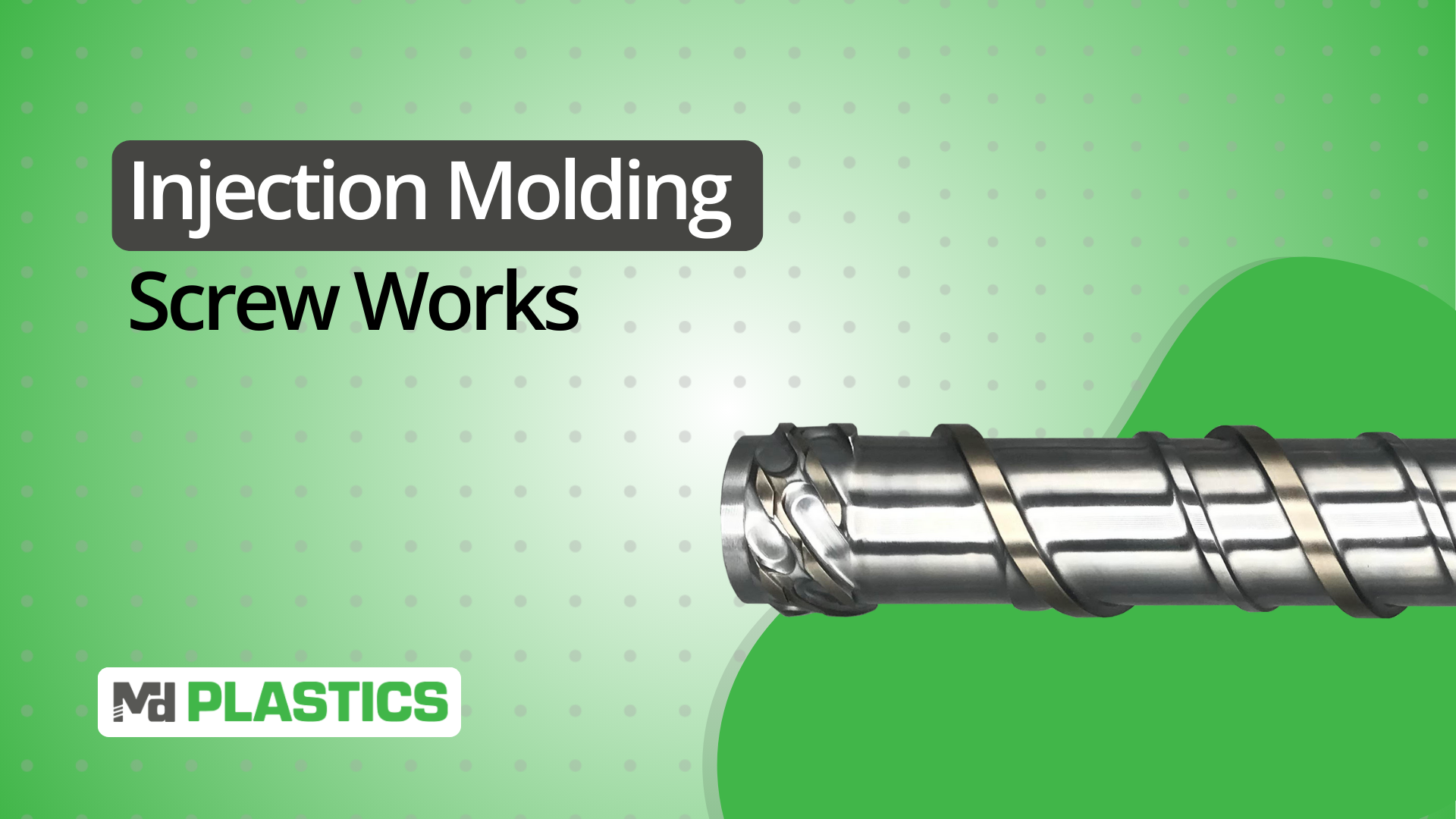
The general purpose injection molding screw is divided into three sections that work together in a smooth line to turn solid pellets into perfectly melted plastic. Every screw has three vital parts, each performing a different task in the melting process.
Here is what each section does:
The Feeding Zone: Pellets drop into this first section, and the deep channel pushes them forward while barrel heat begins softening them. Its main job is consistent, reliable feeding. The feed section should remain cooler to avoid bridging or premature softening.
The Compression Zone: The channel becomes shallower here, squeezing and melting the pellets as they are forced against the hot barrel wall. Too much compression causes burning; too little leaves unmelted material.
The Metering Zone: In most materials, the plastic should be fully melted at this point — though high-viscosity or filled resins may require specialized screw designs for full homogenization. The screw stabilizes temperature and mixing so the melt is uniform before entering the mold. This consistency helps produce defect-free parts with stable shot weights.
While the three main sections define the job, tiny features on the screw are what truly determine the quality of the melted plastic.
Why Screw Design Details Matter More Than You Think
Two screws may look identical, yet perform very differently on the molding floor.
1. The Screw Corner Radius
Look closely at the screw, and you'll see where the deep grooves meet the center column. This curve is much more important than it looks.
Here's why the curve is critical:
The Issue with Sharp Edges: If the corner is too sharp, the plastic gets stuck there and sits for too long. It can burn and cause black specks or dead spots (places where material stagnates, overheats, and degrades) in your finished product.
The Fix: A smooth curve, called a plastic injection molding screw corner, helps the melt flow easily and completely, preventing stagnant melt and burning plastic. This simple fix drastically reduces maintenance needs.
2. The Length and Diameter Ratio (L/D)
Most general-purpose injection molding screws screws fall within the 18:1–22:1 L/D range, depending on machine size and resin requirements. This gives the melt enough residence time to soften, mix, and stabilize without overheating.
Longer L/D ratios (22:1 or 24:1) help with hard-to-melt resins or color changes but require careful control.
These design details shape melt quality, temperature stability, and mixing efficiency. When they work together correctly, machines run with fewer defects and more consistent cycles.
Also Read: Unique plasticizing system forms basis of new IMM
Now let's look at how that improvement shows up in your numbers and day-to-day operations.
How the Right Screw Design Saves Money
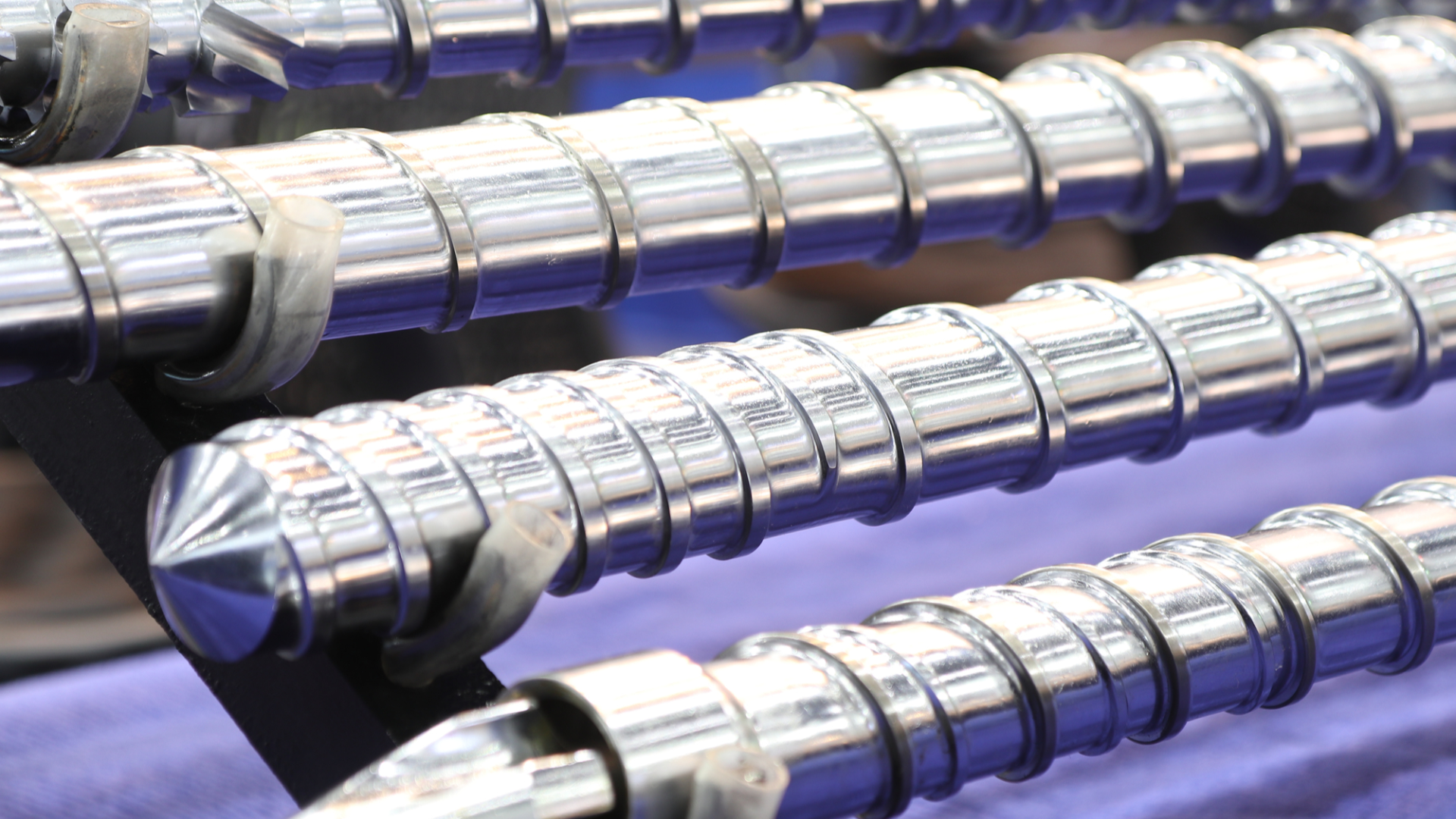
For machine owners and finance managers, the question is always, does a better screw really pay off? The answer is a clear yes, because design directly impacts your bottom line.
1. Faster Production
An efficient screw melts plastic evenly and predictably. Even a modest improvement in melt rate can reduce cycle time enough to pay for a new screw in weeks.
2. Lower Scrap Rates
A steady, high-quality melt is the best way to cut down on defects like warping or missing sections.
Reduced scrap rates save money:
The Scrap Problem: An optimized screw makes the melted plastic very uniform in temperature and thickness. This consistency stabilizes the whole process and drastically reduces the scrap rate, saving significant amounts of money on expensive plastics.
3. Reduced Wear and Downtime
The cost of replacing a screw or barrel and stopping a machine for a day can be huge.
Durable materials are key to reliability:
The Solution: Screws made with hard, durable metals last much longer, especially when running plastic mixed with harsh fillers like glass. Better materials mean less unplanned maintenance and more reliable running time.
Understanding how screw design affects cost is only half the picture. The next step is knowing which screw type delivers the performance your material and production goals require. Different geometries are built for other challenges, and choosing the right one can significantly improve melt quality and stability.
Understanding the Types of Injection Molding Screws
While the general purpose injection molding screw works for most jobs, certain materials or quality goals require a specialized tool.
1. The Basic Types of Plastic Screws
There are two main ways screws are changed to handle complex jobs. This table shows the main difference between them.
Screw Type | Best for This Job | Why it Works |
General Purpose | Most common plastics (PP, PE) | Simple design, flexible for many jobs. |
Barrier Screw | Making parts from very fast and hard-to-melt plastics. | Separates solid pellets from melted plastic to speed up melting. |
Mixing Screw | Changing colors; making sure colors/additives are even. | Has special parts at the end that fold and mix the plastic intensely. |
People Also Liked To Know About: Posi-Melt™ Injection Molding Screws Flyer
2. Special Screws for Different Materials
Some materials require a totally unique approach because they react badly to too much heat.
A. For PVC (Vinyl) Plastic
This material is sensitive to heat and can degrade easily. A gentle approach is needed.
Environment Suitability: PVC requires, such as:
Low shear screw geometry
Controlled heating profile with minimal temperature spikes
Corrosion-resistant metals (chlorine release during overheating can attack steel)
Stable back-pressure to avoid localized overheating
Failure Risks: If PVC is processed with the wrong screw or in the wrong thermal environment, common failure modes include:
Degradation (yellowing, black specks, strong odor from HCl release)
Corrosion of screw and barrel from chlorine gas
Poor fusion leading to brittle or under-melted parts
Over-shear burn marks from excessive compression or sharp corners
Build-up in dead spots, increasing the risk of contamination in future runs
B. For Rubber
Processing thermoset rubber is very different from plastic molding.
Environment Suitability: Rubber screws often require:
Cooling channels to prevent premature curing
Low or zero compression designs
Gentle conveying action
Low shear environment
Precise barrel temperature control
Rubber screws typically require chrome-plated or corrosion-resistant metallurgy to prevent sticking and chemical attack.
Failure Risks: If rubber is processed in an unsuitable thermal or mechanical environment, risks include:
Premature curing inside the screw, causing a hard plug that damages the screw and stops production
Inconsistent cross-linking, leading to weak, soft, or under-cured parts
Sticking and residue build-up, increasing cleaning time and maintenance
Cycle-to-cycle variation from temperature drift in the barrel
Increased wear if incorrect materials or finishes are used in the screw and barrel
Avoiding early curing is essential; once rubber cross-links, it cannot be remelted.
Compliance Mindset & Operational Risks in Injection Molding
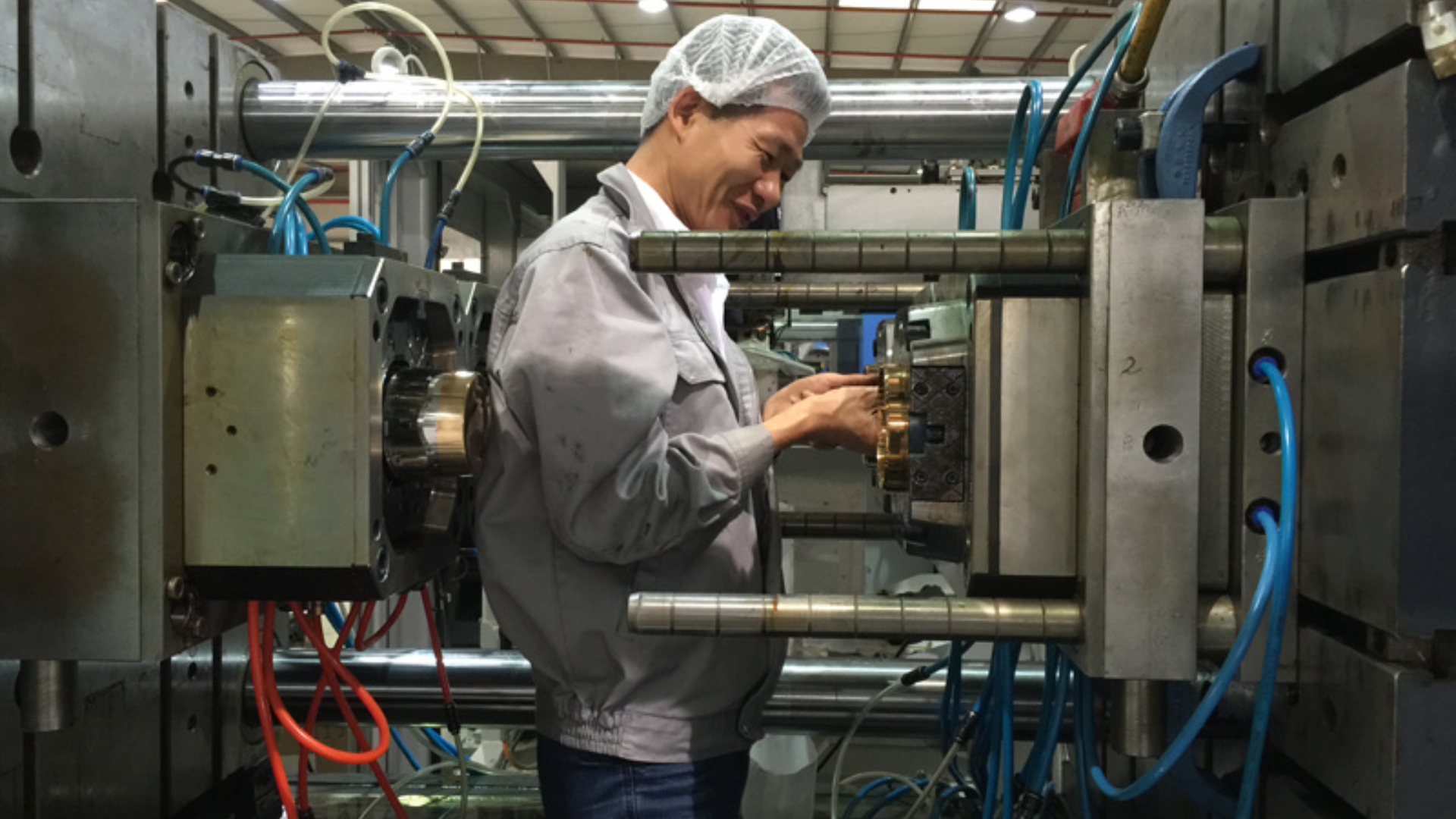
Injection molding teams must consider compliance and operational risks that directly affect melt stability, equipment life, and part quality. A strong compliance mindset helps prevent costly defects and downtime.
1. Material-Handling Risks
Different materials require controlled handling to avoid defects and machine wear. Key risks include:
Moisture in hygroscopic resins (splay and bubbles)
PVC degradation (corrosive gas release and black specks)
Rubber (premature curing if temperatures drift)
Inconsistent purging (color streaks and contamination)
2. Thermal & Mechanical Risks
Incorrect temperature, shear, or compression settings can cause:
Melt degradation
Burn marks
Unmelted particles
Accelerated screw and barrel wear
3. Equipment Safety Risks
Improper screw selection or worn components increase risks like:
Backflow from worn non-return valves
Pressure spikes from over-compression
Barrel wear from abrasive or corrosive resins
Unplanned downtime due to material build-up
4. Why It Matters for Screw Choice
Compliance and operational risk factors directly influence:
Screw geometry
Metallurgy selection
Compression ratio
Cleaning and purging routines
Maintenance intervals
Choosing the right screw design is both a performance decision and a risk-reduction strategy that supports stable throughput, lower scrap rate, and predictable machine operation.
Now that you understand the main screw types, the next step is choosing a design that fits your resin and cycle needs. This checklist helps teams make confident, cost-effective decisions.
A Practical Checklist for Buying a New Screw

When it's time to replace or upgrade your screw, Process Engineers and Buyers should follow this guide to make sure they get the best performance.
1. Match the Screw to Your Plastic
The first step is always to think about the material you run most often.
Use these questions to choose the right type:
Do we run fillers?
Do we change colors often?
Do we process heat-sensitive resins?
Your answers determine whether you need a general purpose, barrier, or mixing screw.
2. Look at Durability and Life Span
If you run abrasive or corrosive materials, choose screws with:
Tungsten carbide coatings
Nitrided or bimetallic barrels
The proper metallurgy extends life dramatically.
3. Work with an Expert Company
You need a partner, not just a seller, to make the best choice. Choose a partner focused on engineering. The best companies don't just sell parts; they study your specific machine and material to design a screw that fits your exact needs.
Planning for the Future: New Screw Technology
Technology is moving fast, and screws are getting smarter. For companies thinking about the long term, these advances are essential to know to increase profit.
1. High-Strength and Wear-Resistant Materials
Modern alloy blends and coatings significantly increase service life when running glass-filled, mineral-filled, or corrosive materials.
Example: Modern screws and barrels are using special coatings and tough metal alloys to resist damage from abrasive fillers like glass or corrosive materials. This means fewer breakdowns and much longer life for the parts.
2. Screws with Built-In Sensors ("Smart Screws")
New systems allow sensors to read melt temperature or pressure inside the screw. This gives engineers early warnings of wear or instability so the team can plan maintenance before bad parts appear.
Example: New designs allow sensors to be placed right on or in the screw. These sensors send live data about the melt temperature and pressure back to the machine's computer.
How Right Partner Improves Melt Quality and Machine Performance
Choosing the right screw is only the beginning. Partners like MD Plastics focuses on engineering the entire melting system, not just one component.
1. Engineered Screws for Better Melt Consistency
MD Plastics offers patented designs such as the Posi-Melt screw, which is a significant upgrade over the basic general purpose injection molding screw.
The Posi-Melt design forces the plastic to mix and melt more completely and uniformly. This consistency is the number one thing you need to reduce defects and keep your scrap rate low.
The Result: Advanced screws broaden the types of plastic you can run well, giving you more flexibility.
People Also Asked About: Posi-Melt Screw and “MDP” Valve Performance Test
2. Precision Flow Control Components
A great screw needs great components around it to work perfectly. MD Plastics offers supporting components and tools:
MDP Non-Return Valves for accurate shot control
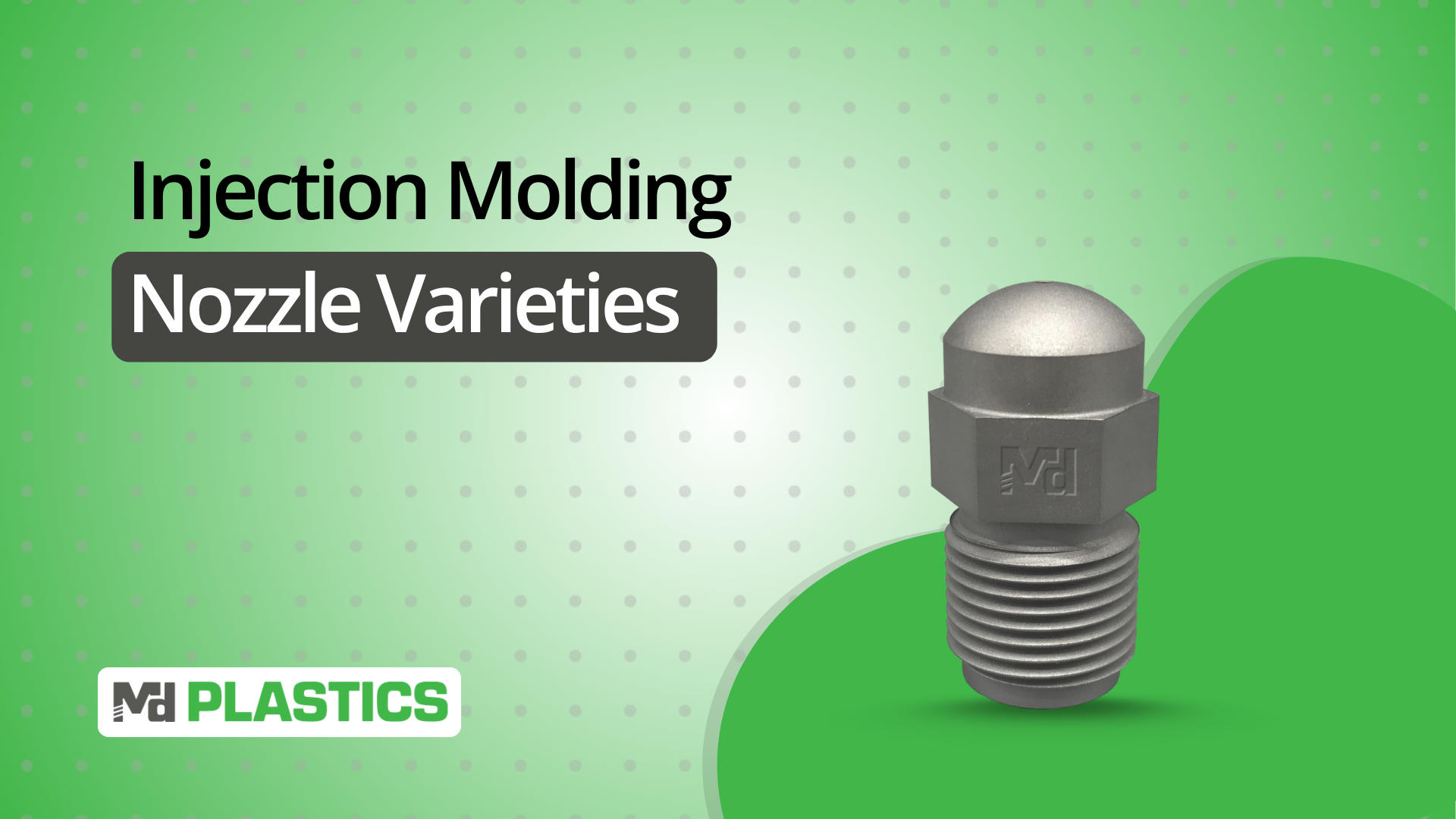
Mini-Shut and Posi-Shut nozzles to stop leakage and backflow
3. Melt Monitoring Tools for R&D and Process Teams
Systems like Melt-Profiler and Melt-IQ provide real-time visibility into the melt condition. Teams can diagnose issues early, confirm resin behavior, and adjust parameters with data without guesswork.
Together, these tools transform a basic screw into a more predictable, high-performance component.
Looking for better plastic processing? MD Plastics can turn your basic screw into a precise, high-tech machine component. Contact today to transform your experience.
Conclusion
A general purpose injection molding screw may look simple, but every detail from corner radius to metallurgy affects melt quality, cycle time, and part consistency.
Upgrading to an engineered screw is one of the most cost-effective ways to cut scrap, stabilize throughput, and reduce downtime.
If you're struggling with black specks, inconsistent cushions, or unpredictable cycle times, MD Plastics can help. Our team studies your process and designs screws, valves, and monitoring systems tailored to your resin, machine, and performance goals.
Ready to improve your melt quality and reduce scrap? Contact MD Plastics for a quick engineering consultation.
FAQs
1. What is the most common screw?
The most common is the General Purpose Screw. It works well for about 80% of standard, easy-to-run plastics, such as polypropylene (PP) and polyethylene (PE). It has a basic three-stage design (feed, compression, metering).
2. Why do I see black specks in my plastic parts?
Black specks are usually caused by plastic getting stuck in a dead spot inside the barrel or screw, leading to overheating (burning). The most common spot is a sharp corner in the screw design or a worn-out area in the barrel. This is often called degradation or hang-up.
3. What is a "Barrier Screw" and when should I use one?
A Barrier Screw is a special design that has two channels in the compression section, one for solid pellets and one for melted plastic. This design physically separates the solids from the melt, which accelerates the melting process and yields a much more consistent, high-quality melt. You should use it when you need to run cycles quickly or when you are using plastics that don't melt easily.
4. How do I know when my screw is worn out?
You can tell your screw and barrel are worn out when you start having problems holding a consistent cushion or shot size. If your machine needs to use more and more plastic to make the same part, or if the parts start showing color streaks or poor mixing, it means the gap between the screw and barrel is too large, and plastic is flowing backward (leaking).