Finding a custom plastic injection molding partner shouldn't feel like a gamble. But it often does.
You need parts that work. On time. Within budget. And you need a supplier who understands the stakes when production is on the line.
The market is crowded with options. Some are excellent. Many are just good enough. A few will cause serious problems.
The difference isn't always obvious upfront. That's where experience and knowing what to look for come in.
This article covers the key factors that separate truly dependable molding services from the rest.
Key Takeaways
Custom molding eliminates design compromises and scales efficiently, but success depends entirely on pairing quality tooling with precision plasticating systems.
Industry-specific experience and material expertise determine whether your parts meet functional requirements or fail prematurely under real-world conditions.
Total cost of ownership trumps per-part pricing when you factor in defect rates, tool longevity, and the hidden costs of supplier unreliability.
Long-term partnerships create compounding value through institutional knowledge, priority scheduling, and proactive maintenance that one-off vendors can't replicate.
Sustainability practices are shifting from nice-to-have to competitive requirements as consumers pay premium prices for environmentally responsible manufacturing.
Why Choose Custom Plastic Injection Molding?
Ready-made injection molding solutions work fine when your needs are basic and your specifications are flexible. But production environments rarely offer that luxury.
Off-the-shelf molds lock you into fixed dimensions, limited material choices, and designs that might be close to what you need but never quite right. You end up compromising on tolerances, part performance, or both.
Modifications are either impossible or prohibitively expensive. And when production volumes scale up, those small compromises compound into significant problems.
That's where custom molding changes the equation.
Benefits of Custom Plastic Injection Molding:
Design Freedom for Complex Geometries – Build parts with intricate features, undercuts, and tight tolerances that ready-made molds simply can't accommodate
Material Optimization for Your Application – Select from engineering-grade resins, specialty compounds, or blends engineered specifically for your performance requirements
Scalability Without Redesign – Start with prototypes and scale to high-volume production using the same tooling, eliminating costly retooling cycles
Cost Efficiency at Volume – Lower per-unit costs as production scales, with tooling investments paying for themselves through reduced waste and faster cycle times
Competitive Edge Through Proprietary Design – Create unique components that differentiate your product in the market and can't be easily replicated by competitors
Of course, even the best custom mold design only delivers results when paired with a reliable injection molding system. That's where precision in melt preparation, delivery, and monitoring becomes critical.
At MD Plastics, we've built our reputation on solving the technical challenges that come with high-performance molding:
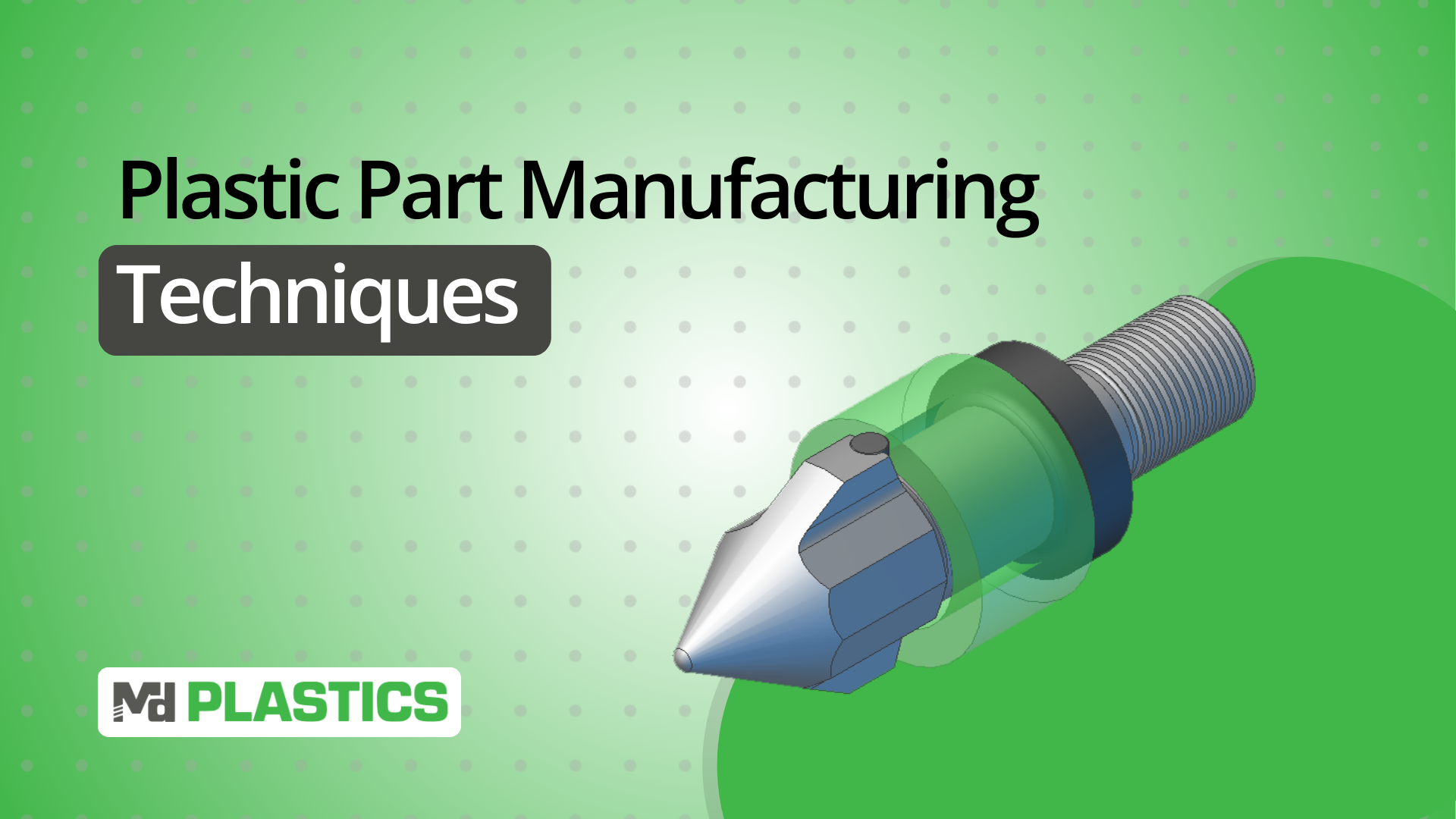
Inject-Ex™ Plasticating Systems: Our patented technology delivers superior melt consistency and processing control for demanding applications
Posi-Melt™ Screws & Plasticating Barrels: Engineered for better melt preparation, ensuring uniform material flow and reduced cycle variability
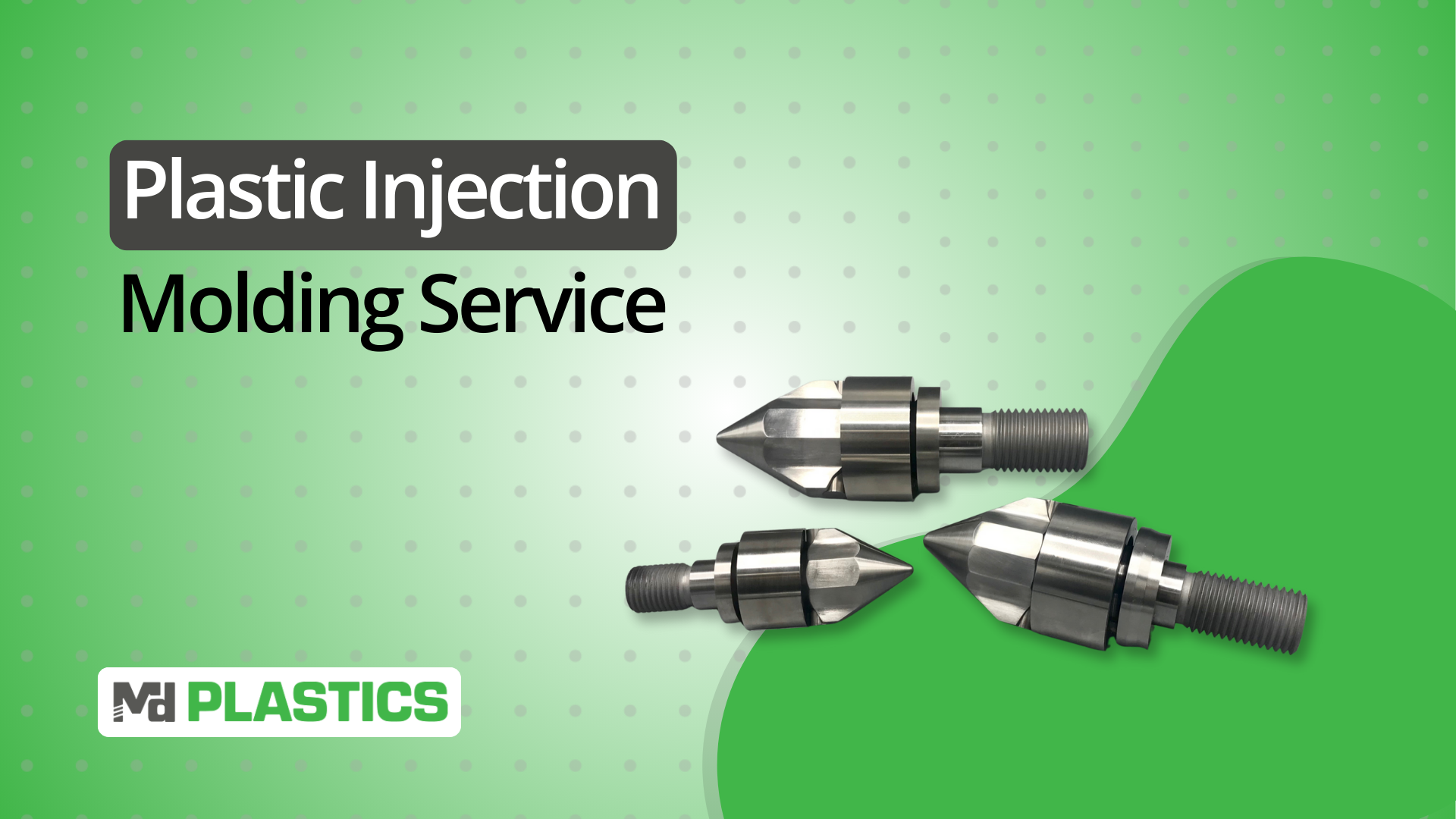
MDP™ Non-Return Valves & Posi-Shut™ Automatic Shut-Off Valves: Precision melt delivery components that eliminate leakback and maintain shot-to-shot consistency
Melt-IQ™ System & Temp-Sense™ Melt Sensors: Real-time monitoring tools that give you complete visibility into melt conditions during production
Barrel Blitz Universal & Poly Clear Prime: Efficient purging solutions that minimize downtime and material waste during color or resin changes
Whether you're optimizing an existing process or setting up a new line, the right components make the difference between acceptable results and exceptional performance.
Explore our full range of plastic processing solutions and find the components that fit your needs.
Key Factors to Consider When Choosing a Plastic Injection Molding Service
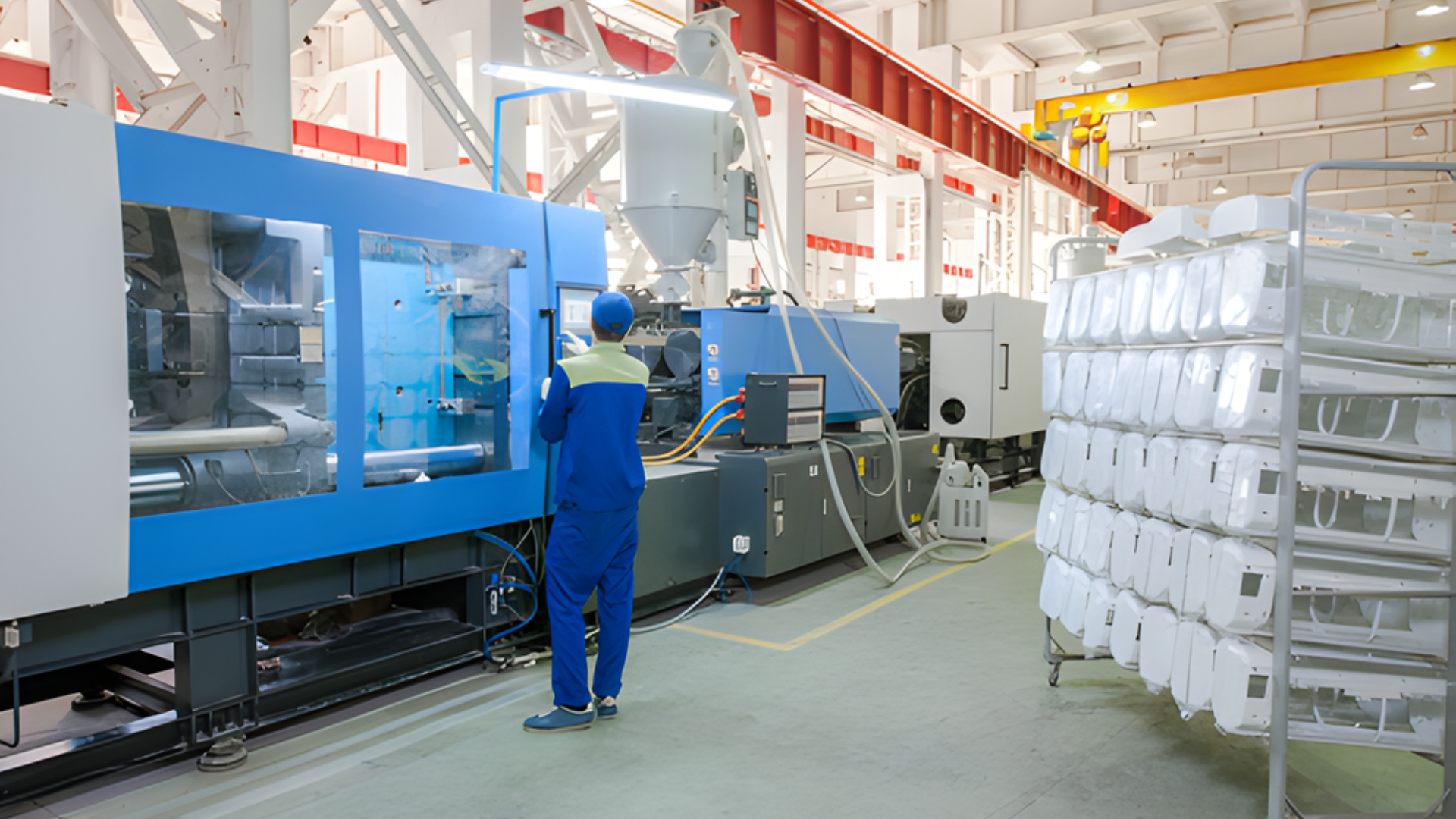
Key Factors to Consider When Choosing a Plastic Injection Molding Service
Choosing the right injection molding partner goes beyond comparing quotes and lead times. The decision affects product quality, production reliability, and your ability to scale without disruption.
Some factors are obvious. Others only reveal themselves when problems arise. The best approach is to know what to evaluate before you commit.
Experience and Expertise
Industry experience tells you how well a provider understands the specific challenges your parts face in real-world conditions.
A service that's worked extensively in automotive knows how to handle high-heat applications and rigorous testing standards. Medical device molding requires familiarity with biocompatible and sterile manufacturing environments. Consumer electronics demand precision at micro-scale tolerances.
What to look for:
Proven track record in your industry with similar part complexity and performance requirements
Engineering support that can troubleshoot design-for-manufacturability issues before tooling begins
Understanding of your industry's regulatory and compliance obligations from day one
Technology and Equipment
The machinery a provider uses directly influences what they can produce and how efficiently they can deliver it.
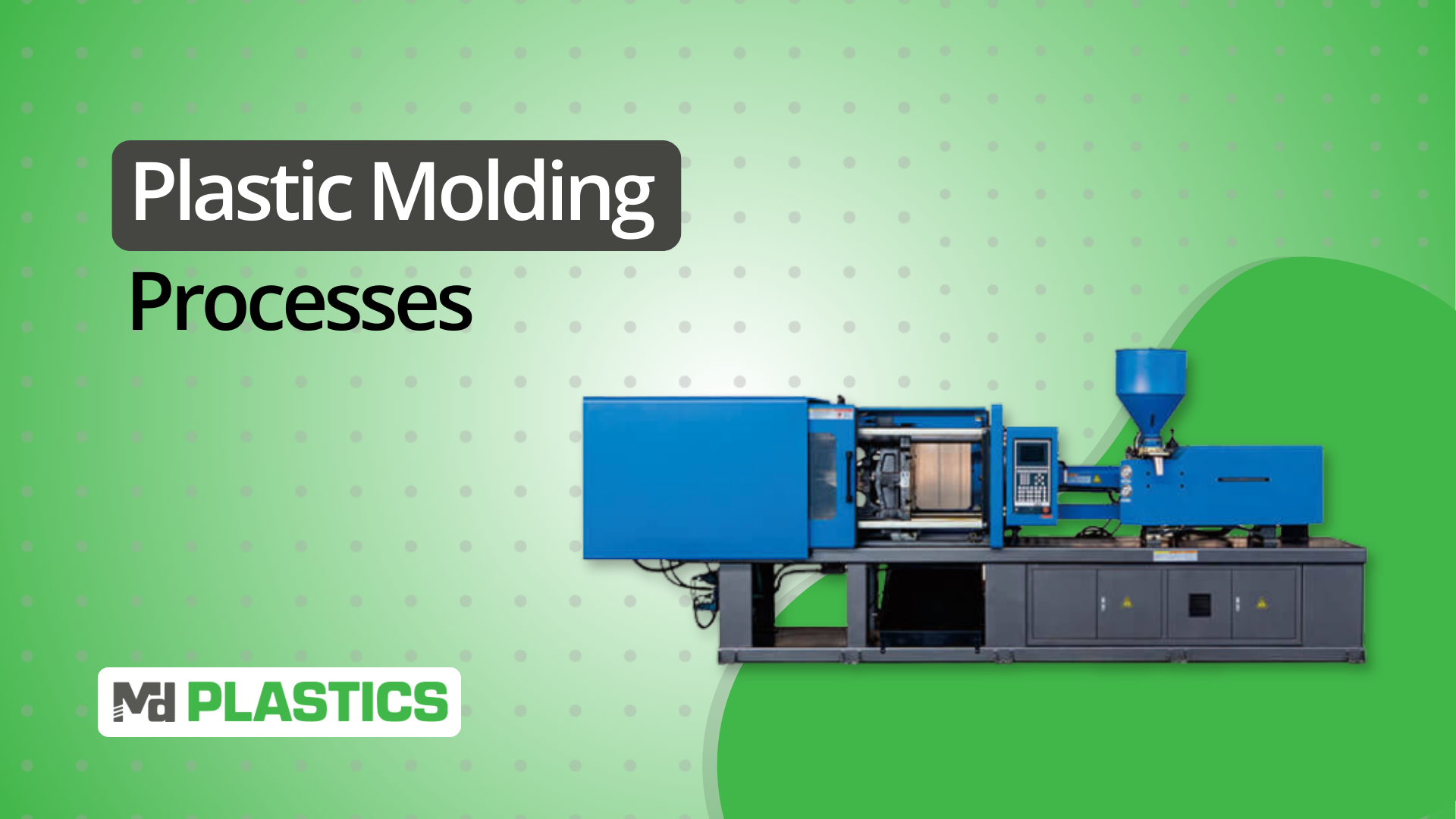
Outdated equipment limits precision, increases cycle times, and raises the risk of inconsistent quality. Advanced injection molding machines with automation capabilities offer tighter process control and scalability.
Key considerations:
Machine tonnage range that matches your part size and complexity requirements
Automated systems for consistent shot-to-shot repeatability and reduced labor variability
Multi-cavity mold capabilities for high-volume production efficiency
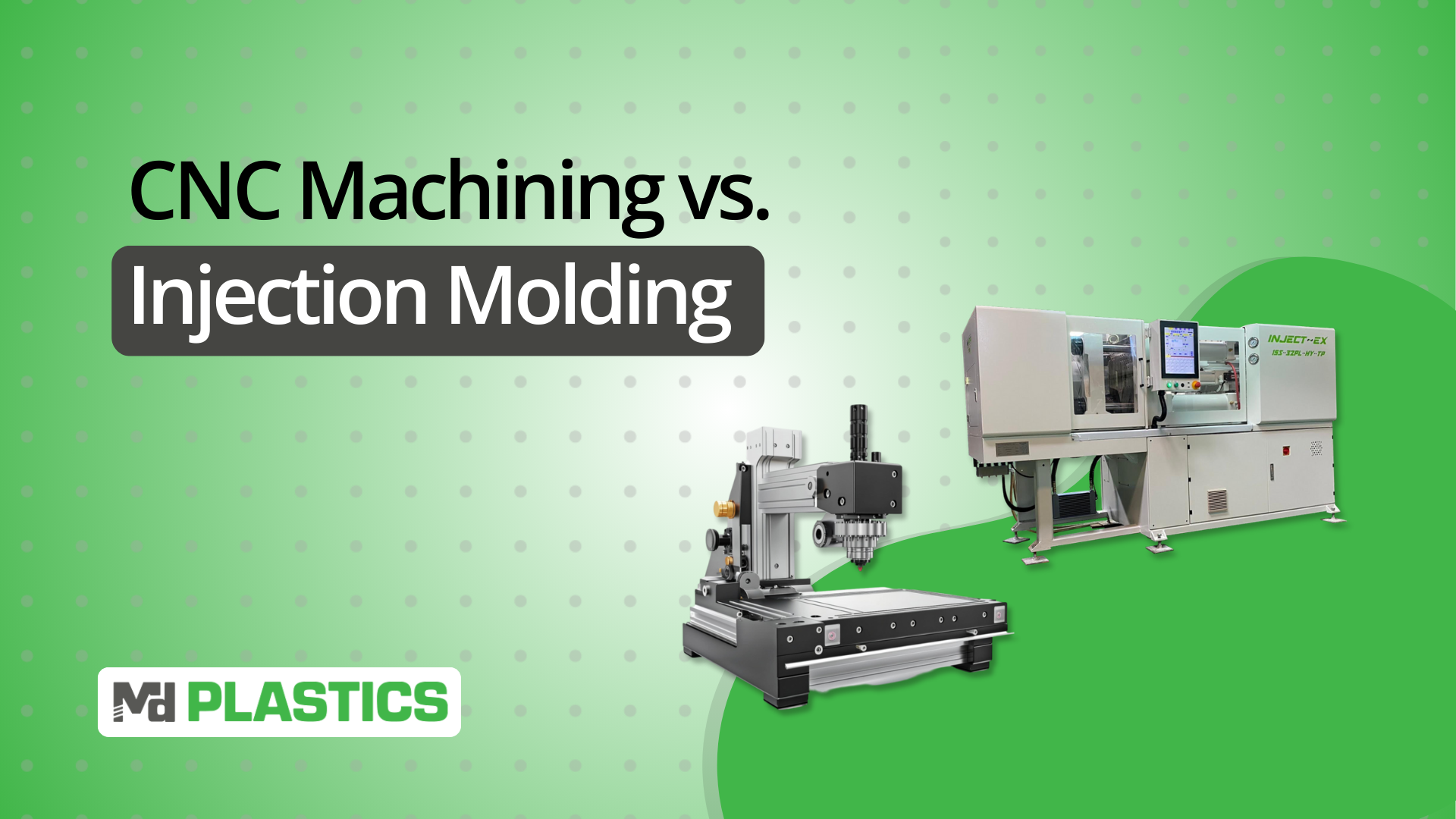
CNC machining and tooling capabilities in-house to expedite modifications and repairs
Material Expertise
Material selection can make or break a part's performance. A provider's depth of knowledge here determines whether your components meet functional requirements or fail prematurely.
Different resins behave differently under heat, stress, and environmental exposure. The wrong choice can lead to warping, brittleness, or dimensional instability.
What strong material expertise delivers:
Guidance on selecting thermoplastics, elastomers, or specialty compounds based on application demands
Experience processing advanced materials like bioplastics, glass-filled resins, and engineered polymers
Understanding of how material properties affect tooling design, cycle time, and post-processing needs
Cost optimization without compromising performance through intelligent material substitution when appropriate
Quality Control and Certifications
Quality assurance processes separate reliable suppliers from those that ship defects and hope you don't notice.
ISO certifications signal commitment to standardized processes. In-house inspection protocols catch problems before parts leave the facility. But certifications alone don't guarantee quality. Ask how they're implemented.
Critical quality indicators:
ISO 9001 certification with documented quality management system actively in use
Industry-specific certifications relevant to your application (ISO 13485 for medical, IATF 16949 for automotive)
In-process monitoring and statistical process control to identify variations early
First article inspection reports and detailed documentation for traceability
Experience securing regulatory approvals like FDA clearance or UL certification when your parts require them
Capacity and Lead Time
A provider's production capacity determines whether they can grow with you or become a bottleneck as demand increases.
Mismatched capacity creates problems on both ends. Overcommitting leads to rushed work and quality compromises. Underutilization drives up your costs.
Evaluate their production capabilities:
Ability to handle your current volume requirements comfortably without maxing out their capacity
Scalability to ramp up production when demand spikes or new product launches accelerate timelines
Realistic lead times for tooling, sampling, and full production runs with a buffer for contingencies
Track record of on-time delivery and transparent communication when delays occur
Customer Service and Communication
Technical capability means nothing if you can't get straight answers when you need them.
Responsive communication keeps projects on track. Proactive problem-solving prevents small issues from becoming expensive failures. Transparency builds trust when challenges arise.
Signs of strong customer service:
A dedicated project manager or single point of contact who understands your account
Regular progress updates without you having to chase them down
Fast response times to technical questions and design revision requests
Willingness to collaborate on problem-solving rather than deflecting responsibility
Clear escalation paths for when urgent issues require immediate attention
Cost Considerations
Price matters. But focusing only on the lowest quote often costs more in the long run.
The cheapest tooling might wear out faster. The fastest lead time might come with quality trade-offs. Understanding the full cost picture helps you make smarter decisions.
A. Upfront Costs vs. Long-Term Savings
Tooling and mold design represent significant upfront investments. But those costs get amortized across every part produced.
A well-designed, durable mold might cost 30% more initially but deliver consistent quality over hundreds of thousands of cycles. Cheaper tooling might need replacement or repair after a fraction of that volume.
Cost Factor | Upfront Impact | Long-Term Impact |
|---|---|---|
High-Quality Tooling | Higher initial investment | Lower per-part cost, fewer defects, extended tool life |
Budget Tooling | Lower initial cost | Higher maintenance, more frequent replacement, quality inconsistency |
Material Selection | Varies by resin type | Affects part durability, warranty claims, and customer satisfaction |
Cycle Time Optimization | May require process development | Reduces production cost per part significantly at volume |
Balance short-term budget constraints with total lifetime value: A mold that lasts 500,000 cycles versus 100,000 cycles changes the economics dramatically.
B. Transparent Pricing and Value
Hidden costs erode trust and blow up budgets. Clear pricing structures let you plan accurately and avoid surprises.
Some providers quote low on tooling but inflate material costs or add fees for services you assumed were included. Others bundle everything up front so you know exactly what you're paying for.
Ask what's included in the quoted price:
Tooling design, fabrication, and testing before first article production
Set up costs, machine time, and labor for sampling and full production runs
Material sourcing and handling fees, including any premium for specialty resins
Post-production services like assembly, finishing, packaging, or quality inspections
Shipping, logistics, and any import duties if working with overseas suppliers
Transparent providers itemize these costs. Vague quotes are red flags.
C. Assessing Total Cost of Ownership
Per-part price is only one piece of the equation. Total cost of ownership includes everything that happens after parts leave the facility.
Higher defect rates drive up inspection costs, returns, and warranty claims. Parts that fail prematurely damage your brand reputation. Inefficient production creates supply chain disruptions.
Factor in these hidden costs:
Defect rates and the cost of scrap, rework, or customer returns
Part longevity and how often components need replacement in your final product
Maintenance requirements for molds and how downtime affects your production schedule
Supplier reliability and the risk of delays, forcing you to carry excess inventory
Sustainability Practices
Sustainability is becoming a competitive requirement as customers and regulators demand greener manufacturing.
Consumers are now willing to pay an average of 9.7% more for products that are sustainably produced or sourced, even amid concerns over cost-of-living and inflation.
Choosing a provider with strong environmental practices reduces your carbon footprint, aligns with corporate sustainability goals, and future-proofs your supply chain against tightening regulations.
A. Sustainability in Materials and Processes
The materials your provider uses directly impact environmental outcomes. Traditional petroleum-based plastics carry a significant carbon footprint, but alternatives are gaining traction.
Recyclable materials, post-consumer recycled content, and bioplastics offer pathways to reduce environmental impact without sacrificing performance. Providers investing in these options demonstrate forward-thinking commitment.
Look for providers who:
Offer access to bioplastics derived from renewable resources like corn starch or sugarcane
Source recycled resins and incorporate post-consumer or post-industrial content when appropriate
Prioritize materials with established end-of-life recycling pathways
Stay informed about emerging sustainable materials and can recommend alternatives that meet your specs
The trend toward eco-friendly materials continues accelerating. Partnering with a provider who's already ahead of the curve prepares you for future requirements.
B. Energy Efficiency and Waste Reduction
Production energy consumption varies dramatically depending on equipment and process optimization. While producing a pound of glass uses relatively little energy, manufacturing a pound of plastic resin requires nearly nine times more. This gap makes energy efficiency critical.
Modern injection molding machines with servo-driven hydraulics consume significantly less power than older hydraulic systems. Optimized cooling cycles reduce energy waste. These improvements lower operating costs while shrinking environmental impact.
Evaluate their approach to sustainability:
Investment in energy-efficient injection molding equipment that minimizes power consumption per cycle
Process optimization strategies that reduce cycle times and energy use without compromising quality
Waste management systems that recycle production scrap back into usable material
Programs to minimize packaging waste and optimize shipping logistics for lower carbon emissions
Providers serious about sustainability track these metrics and share progress transparently. If they can't articulate their environmental practices, they probably don't have them.
The Hidden Factor Behind Every Good Molding Provider: Melt Quality
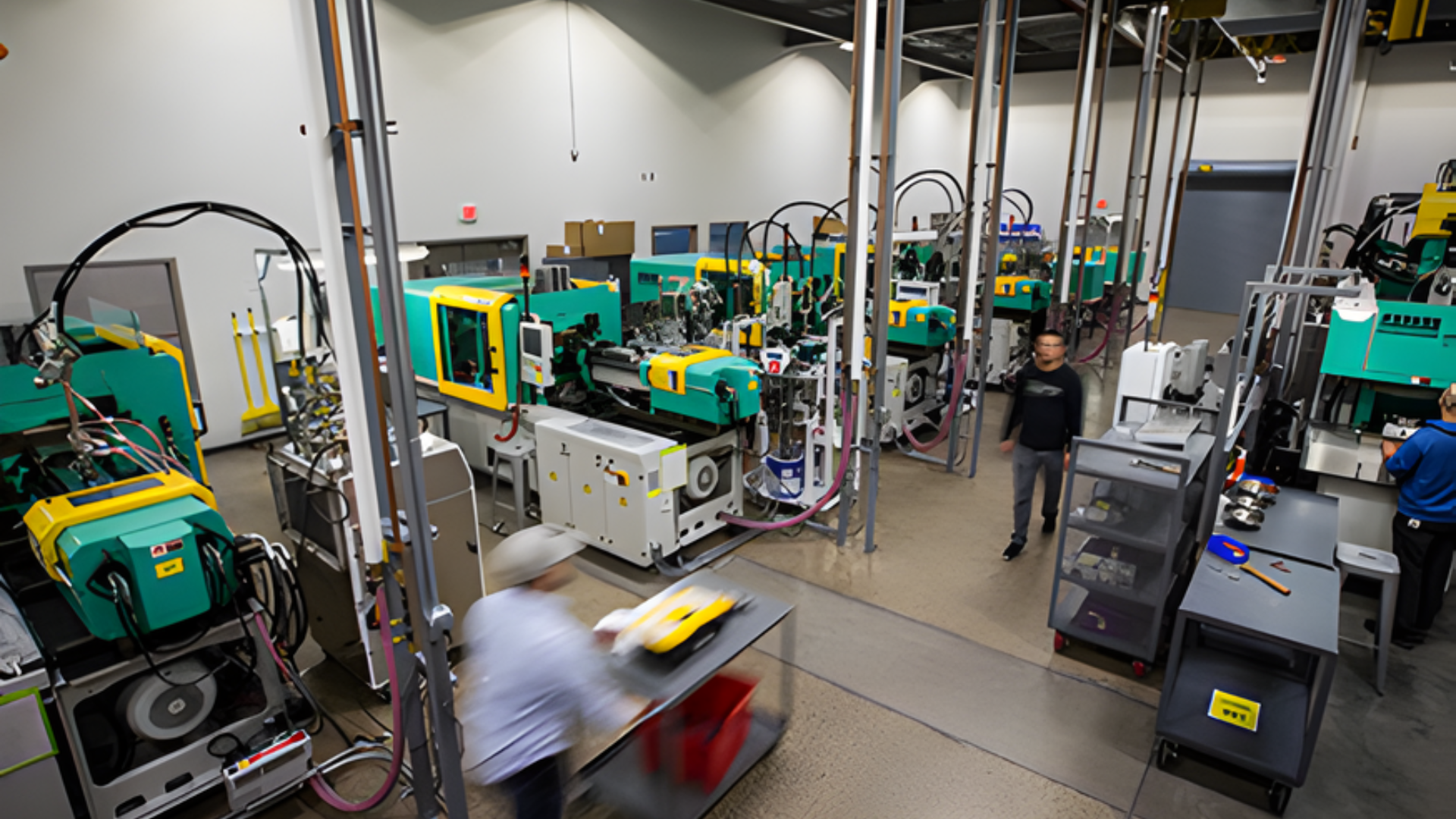
Every injection molding provider will talk about tooling, materials, cycle times, and certifications. But the real differentiator, the one most buyers never evaluate, is the quality of their plasticating system.
The screw, barrel, non-return valve, and nozzle determine:
melt homogeneity
shot-to-shot consistency
cycle stability
resin compatibility
scrap rate
part cosmetics
dimensional repeatability
A provider can have great tooling and still deliver inconsistent, defective parts if their plasticating components are outdated, worn, or poorly designed.
This is why the best molding shops invest heavily in engineered melt-delivery components.
And this is exactly where MD Plastics enters the picture.
How MD Plastics Delivers the Precision Your Production Demands
At MD Plastics, we have spent over two decades solving the technical challenges that keep injection molders from reaching peak performance. When your production needs precision components engineered by people who understand injection molding inside and out, MD Plastics delivers.
Why production teams choose MD Plastics:
Patented technology built for performance: Our Inject-Ex™ Plasticating Systems deliver melt consistency and processing control that standard equipment simply can't match
Engineering depth that solves complex problems: Technical expertise backed by decades of hands-on experience with the toughest molding applications across industries
Complete plasticating solutions under one roof: From melt preparation through delivery and monitoring, we provide integrated systems that work together seamlessly
Outcome-focused component design: Every product we offer targets specific improvements in your process, whether that's eliminating leakback, reducing cycle variability, or improving material uniformity
Long-term partnership approach: We support your production with ongoing technical consultation, maintenance guidance, and process optimization recommendations
Proven track record across demanding applications: Experience with high-performance resins, tight-tolerance parts, and production environments where consistency isn't optional
We don't chase trends or offer generic solutions. We analyze your specific challenges, recommend the right components, and stand behind the results.
Ready to optimize your molding process? Connect with our technical team to discuss your specific requirements.
Frequently Asked Questions
How do I choose a custom plastic injection molding service?
Evaluate their industry experience, material expertise, quality certifications, and production capacity. Look for transparent pricing, strong communication, and evidence of long-term customer relationships. Technology capabilities and sustainability practices also signal a reliable partner.
What's the difference between custom and ready-made injection molding?
Custom molding provides design freedom for complex geometries, optimized material selection, and scalability without retooling. Ready-made molds lock you into fixed dimensions and limited materials, forcing compromises that compound at higher production volumes.
How much does custom plastic injection molding cost?
Upfront costs include tooling design and fabrication. Long-term costs depend on material selection, cycle times, and tool durability. High-quality tooling costs more initially but delivers lower per-part costs and extended tool life across hundreds of thousands of cycles.
What certifications should an injection molding service have?
ISO 9001 demonstrates standardized quality management. Industry-specific certifications like ISO 13485 (medical) or IATF 16949 (automotive) show specialized expertise. Look for experience securing regulatory approvals like FDA clearance or UL certification when your application requires them.
Why does material expertise matter in injection molding?
Different resins behave differently under heat, stress, and environmental exposure. The wrong material choice leads to warping, brittleness, or dimensional instability. Expert providers guide selection based on application demands and optimize costs without compromising performance.